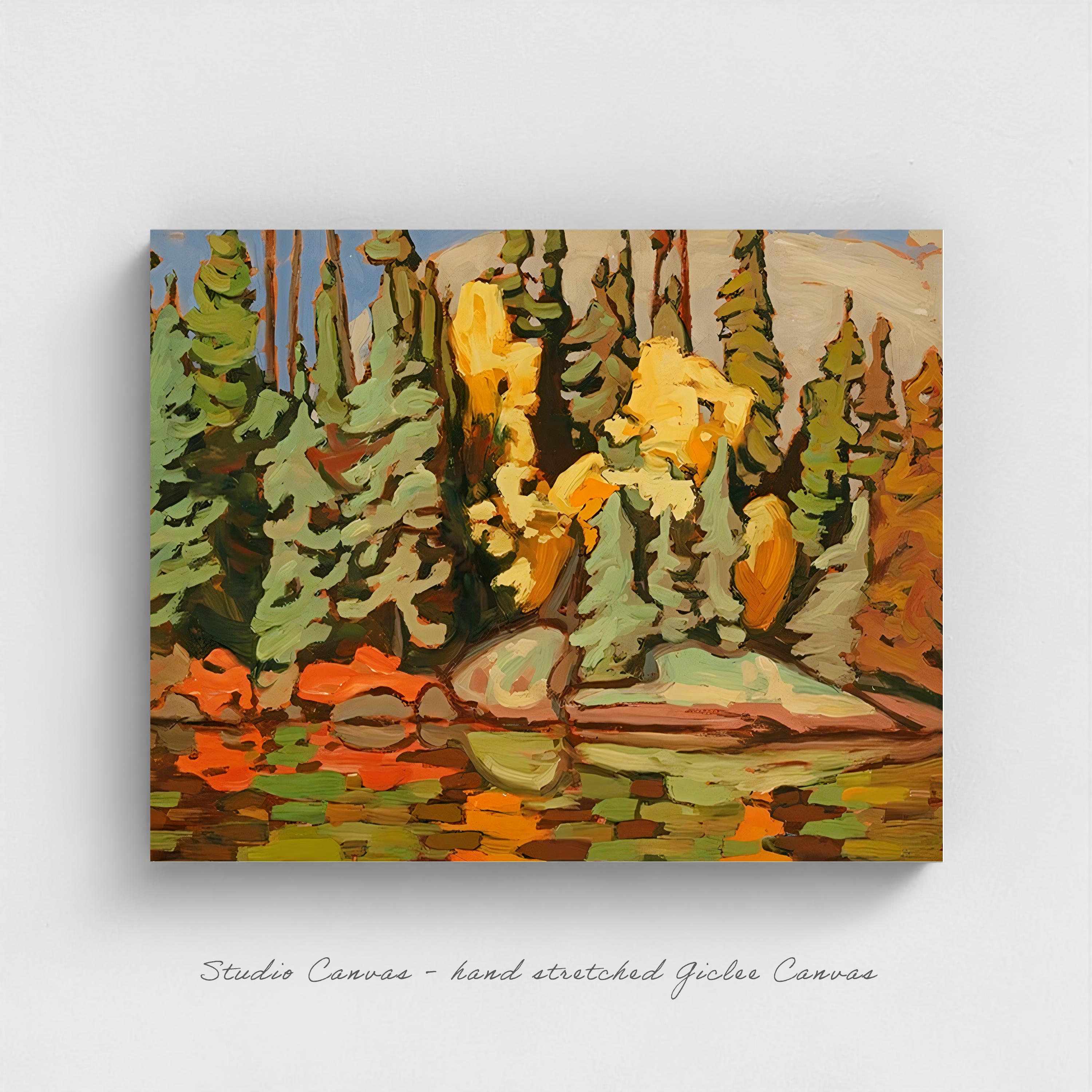
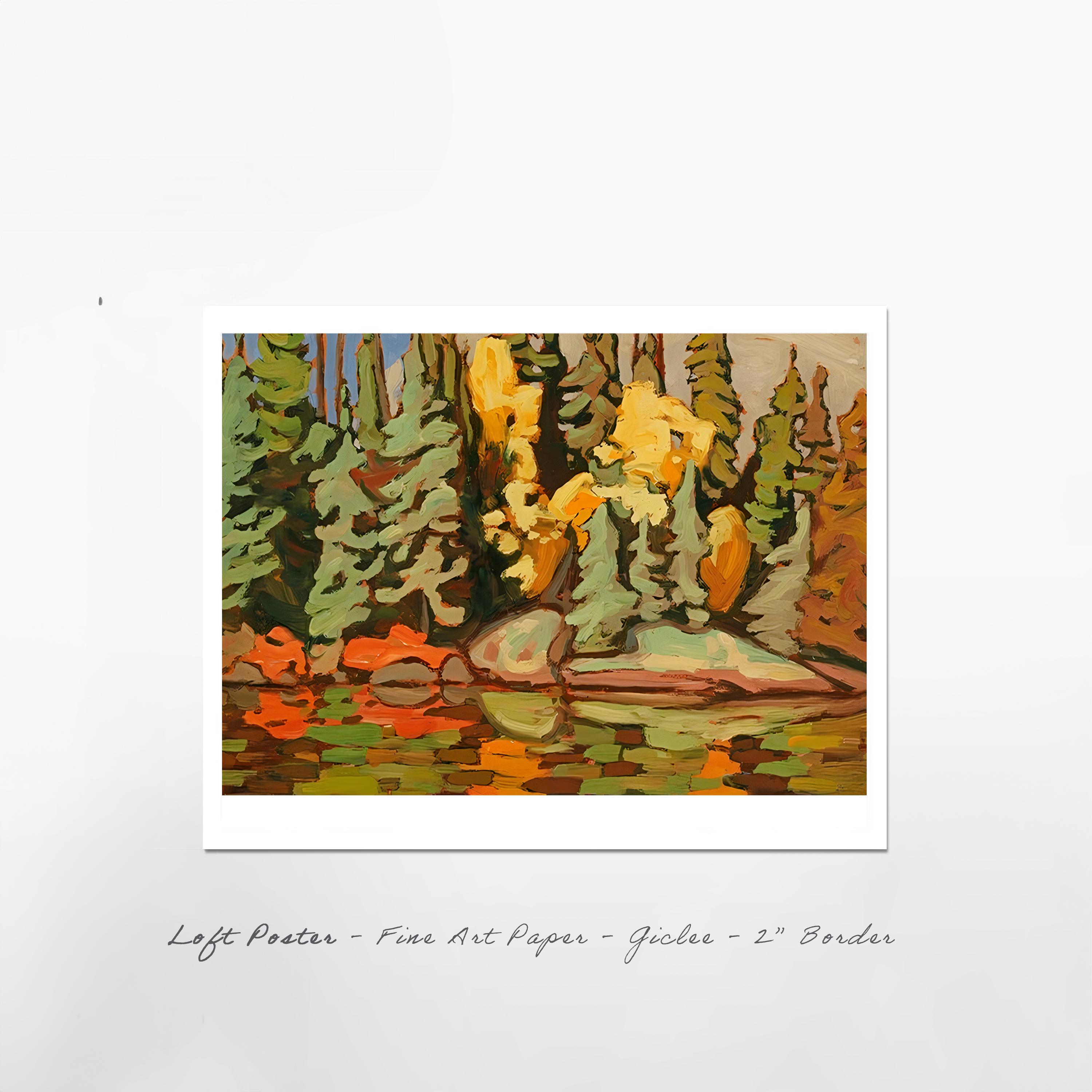
Lawren Harris Sand Lake Algoma 1921 Giclee Canvas Print | Group of Seven Art | Boxcar Expedition | Canadian Wilderness | Rainy September
$91.52
Details
On September 25, 1921, A.Y. Jackson sat in camp at Sand Lake writing to Harold Mortimer Lamb through steady rain: "This is a rainy day so I can restrain my desire to wander into the bush. Harris and I are on our annual autumn sketching trip and will be here on Sand Lake for a couple of weeks and then move on to the north shore Lake Superior. It does not promise to be much of an autumn, very little colour and lots of bad weather but we generally end up with a lot of material."
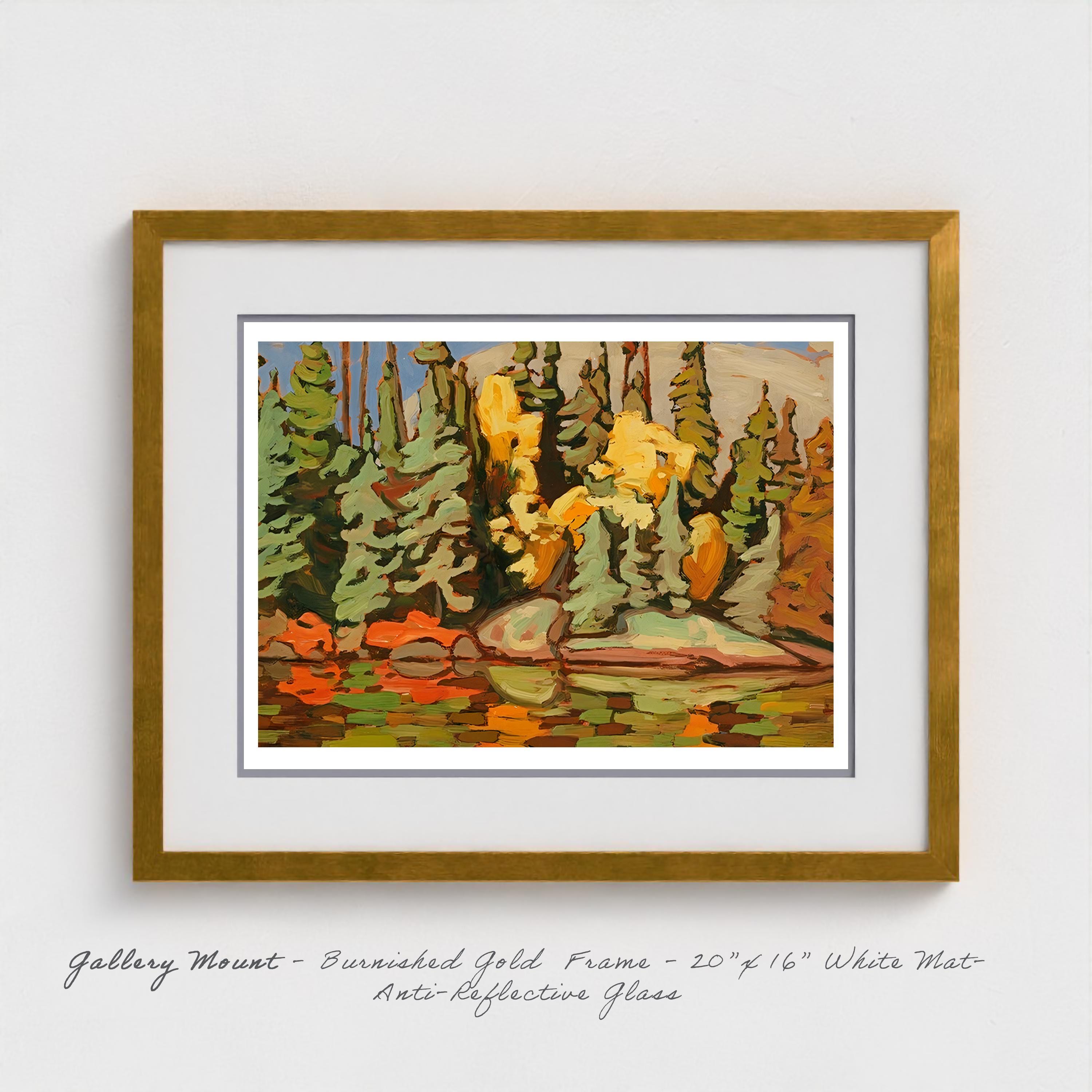
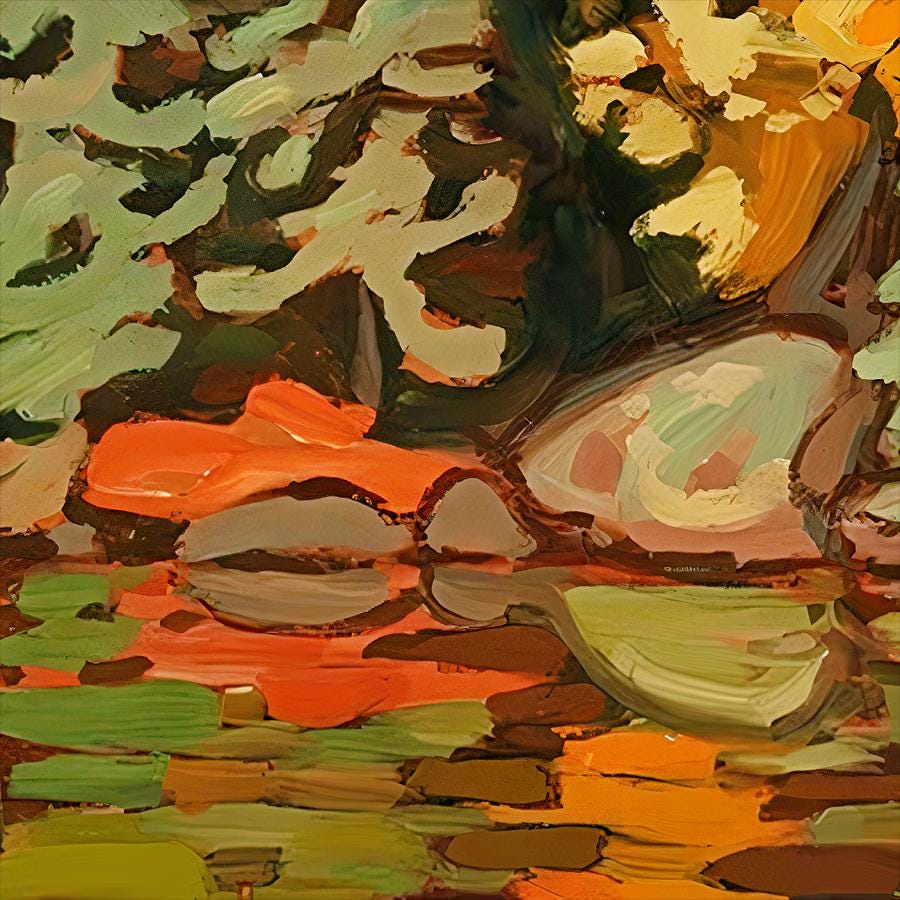
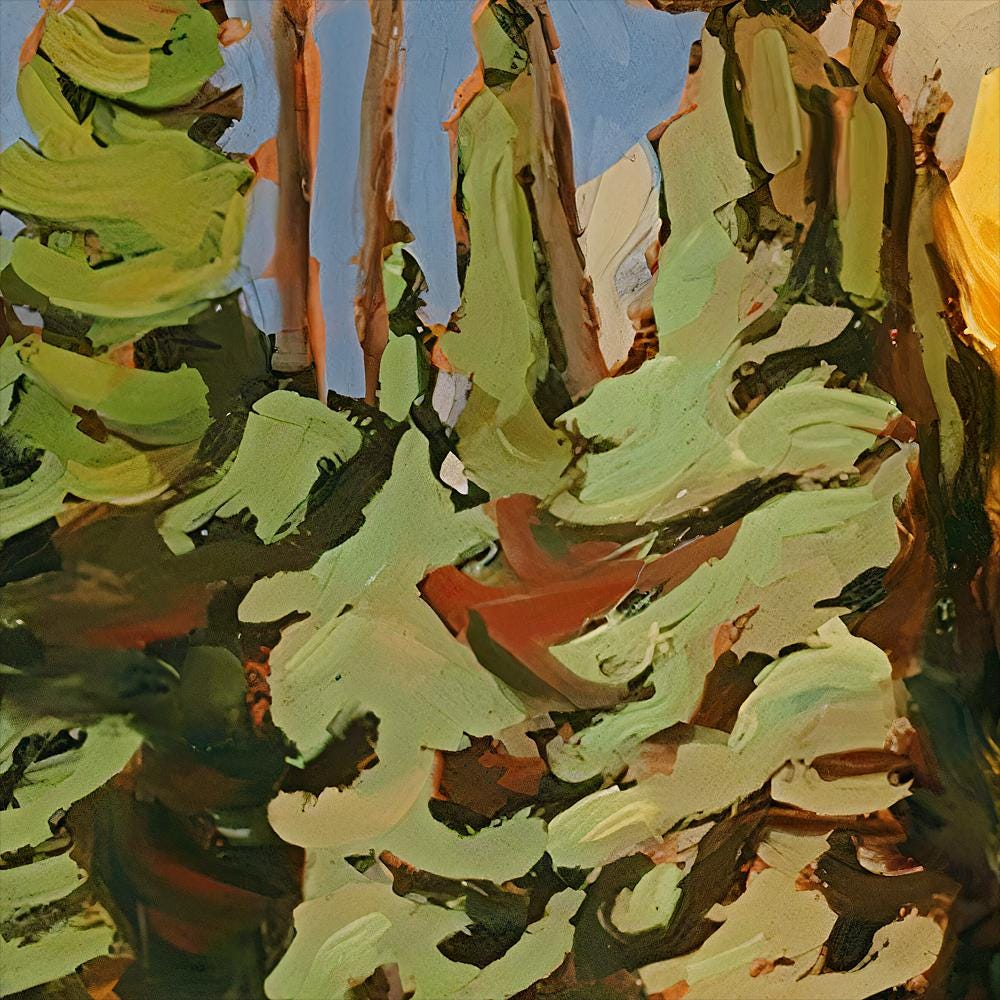
That material included Lawren Harris's Sand Lake, Algoma — a somber, atmospheric oil sketch capturing the muted palette and dark shadows of northern Ontario wilderness under grey September skies. Harris and Jackson had travelled north on the Algoma Central Railway to mile 136¼ at the Sand River, the first train stop north of Agawa Canyon. This was their first visit to Sand Lake, eighty miles further north than their usual Batchawana haunts. It would also be their last Algoma expedition. Within weeks, they would discover Lake Superior's North Shore — landscape so stark and monumental it would dominate Harris's work for the next seven years.
Sand Lake, Algoma captures transition moment. Harris painted from canoe or shoreline, his eye carried across flat water reflecting little of the blue sky toward distant treeline. The composition is deliberately distant and somber — not the rich, bright colours and decorative motifs that characterized his Algoma paintings from 1918 to 1920, but something more austere, more simplified, more aligned with the artistic direction pulling him inexorably north toward colder, barer landscapes.
The rainy weather Jackson complained about permeates the painting. Dark shadows pool beneath sculptural tree forms. The water lies heavy and still, its surface barely animated by light. Distant trees mass together in browns and deep greens — "very little colour" as Jackson noted. This is not autumn at its blazing peak but autumn under cloud cover, autumn waiting for sun that never quite breaks through, autumn rendered in muted earth tones and atmospheric greys.
Harris and Jackson may have painted this view from the same canoe, working side by side as they had countless times since 1919 when Jackson — newly discharged from the army after being wounded at the Battle of Sanctuary Wood — joined the Algoma expeditions. The two sketches sold together at Heffel's 2007 auction provide rare glimpse of the artists working simultaneously at identical location. Jackson's version shows closer view with more animated water broken by white dabs and modulated colour. Harris's pulls back, creating distance, emphasizing the sombre silence of wilderness uninterrupted by human presence.
This marked the culmination of Harris's Algoma period. Between 1918 and 1921, he had organized and financed the legendary boxcar trips that became origin mythology for the Group of Seven. The Algoma Central Railway converted old work gang boxcar into mobile studio: four bunks, wood stove, water tanks, sink, cupboard, two benches, table, and enough room inside for one-man handcar the artists used to explore up and down the tracks, plus canoe for accessing lakes and rivers. Freight trains hauled the boxcar to remote sidings — Agawa Canyon, Batchawana, Montreal Falls, Mongoose Lake — leaving the artists for seven to ten days before returning to transport them to next location.
The expeditions transformed Canadian art. In May 1918, Harris first travelled to Algoma with Dr. James MacCallum, co-financier of Toronto's Studio Building. Captivated by the landscape, he returned in September with MacCallum, J.E.H. MacDonald, and Frank Johnston. In April 1919, they exhibited their Algoma paintings at the Art Museum of Toronto, arranging works in sequence of their travels from Canyon south through Hubert, Batchawana, Montreal River, and Mitchell Lake. September 1919 brought MacDonald, Johnston, and Jackson — beginning annual autumn ritual that would continue through 1921.
May 1920 — one month after the Group of Seven's historic first exhibition — found Harris, MacCallum, Jackson, and Arthur Lismer spending ten days at Mongoose Lake cabin east of Batchawana. September 1920 brought Harris, Jackson, Johnston, and MacDonald back to Batchawana and Montreal Falls. May 1921 saw Jackson, Harris, and Lismer painting the Agawa and Montreal Rivers one final time before September's push northward to Sand Lake.
Sand River represented new territory. Every previous Algoma trip had focused on areas between mile 80 (Batchawana) and mile 131 (Agawa Canyon). Sand Lake sat at mile 136¼ — just five miles further north along the railway, but those five miles carried symbolic weight. The artists were pushing boundaries, seeking fresh subject matter, venturing beyond familiar haunts toward increasingly remote wilderness.
The sketch served as foundation for larger canvas in which Harris enhanced the sculptural forms of trees and opened the stream at focal point, lightening distant trees to bring them visually forward. But he retained the sketch's sombre silence — that quality of profound quiet pervading northern wilderness under grey skies, where water mirrors heavy clouds and distant shorelines dissolve into atmospheric haze.
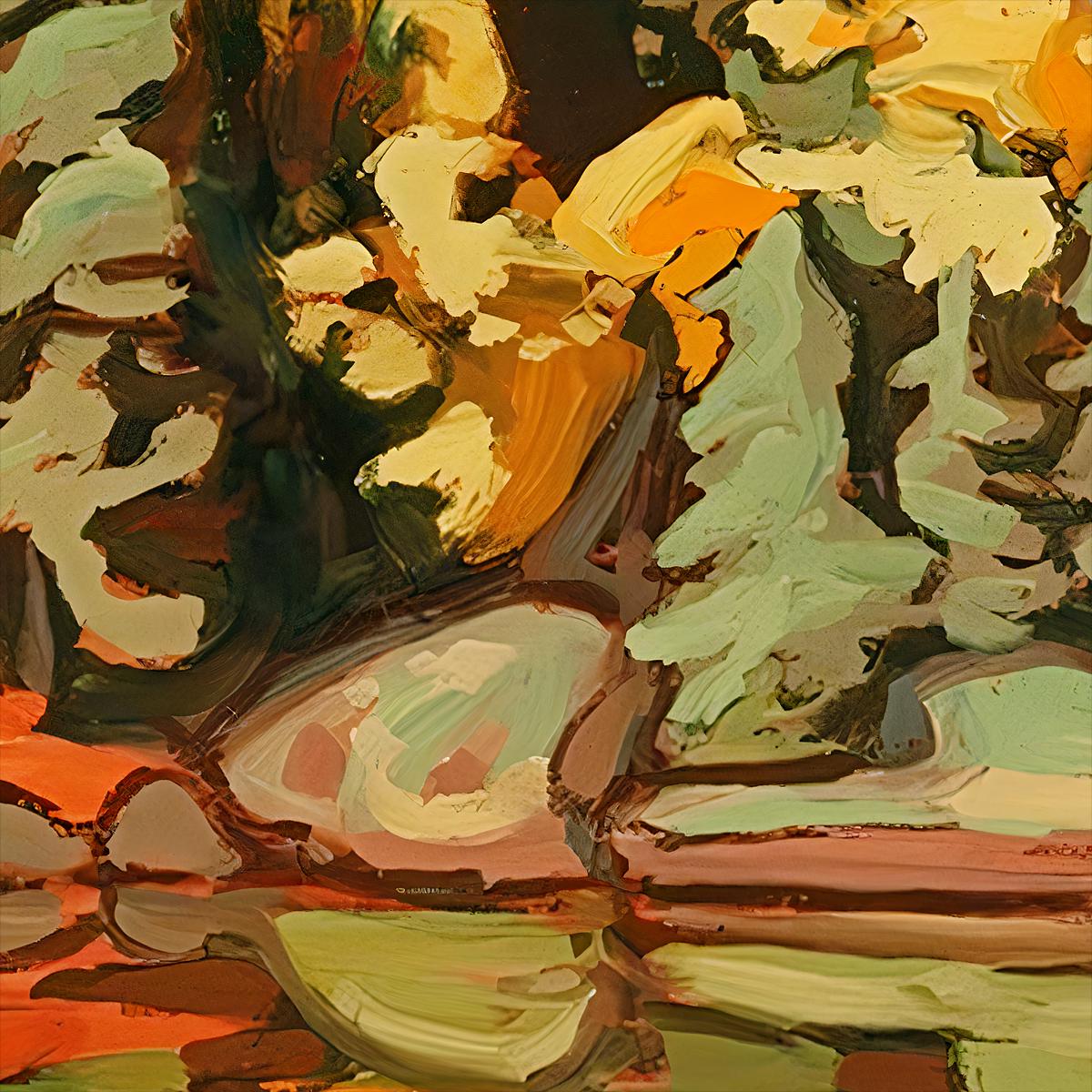
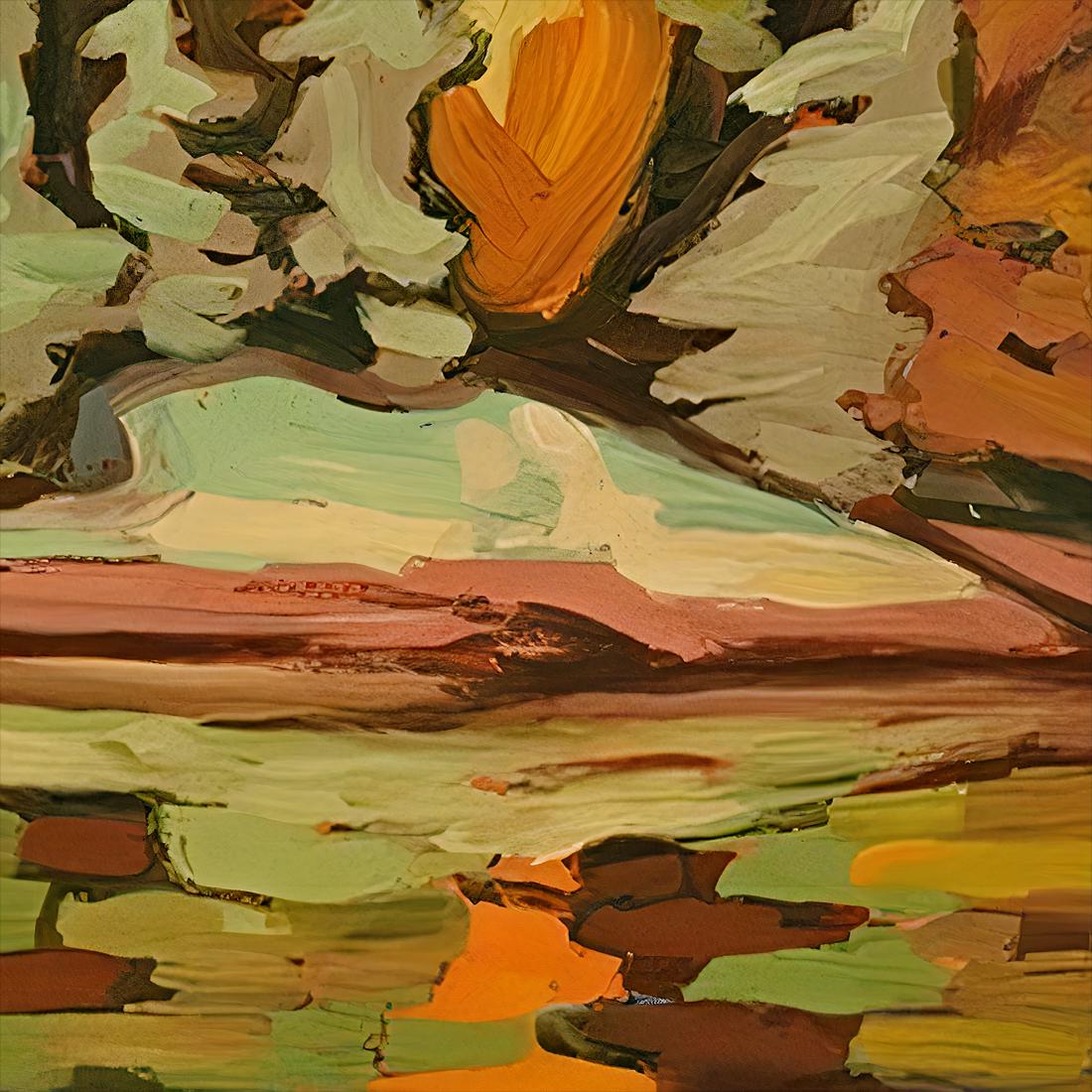
This painting documents Harris between artistic identities. His Algoma works from 1918-1920 featured rich, decorative colours applied in thick painterly impasto — legacy of the Scandinavian influence he absorbed after visiting Buffalo's Albright Gallery exhibition in January 1914. But by 1921, his palette was simplifying, his forms becoming more sculptural, his compositions moving toward the stark austerity that would define his Lake Superior period.
Sand Lake, Algoma shows Harris discovering preference for distant, open compositions over the dense wood interiors and autumn-bright hillsides that dominated earlier Algoma work. The eye travels unimpeded across water toward horizon. Trees provide sculptural interest without overwhelming the composition. Space opens up. Colour recedes. The painting breathes with emptiness — quality Harris would pursue obsessively once he encountered Lake Superior's vast, unpopulated shores.
Jackson's letter reveals the artists' remarkable productivity despite discouraging conditions. Bad weather, little colour, rainy days — yet they "end up with a lot of material." This work ethic characterized the Group of Seven: paint regardless of weather, find beauty in muted palettes, extract artistic value from conditions other painters might consider unpaintable. The commitment to working en plein air under any circumstances separated them from studio-bound predecessors who painted landscape from imagination or sketchy notation.
September 1921 marked ending and beginning. The Algoma boxcar trips — those legendary expeditions that produced hundreds of oil sketches and dozens of major canvases, that forged the Group of Seven's collective identity, that demonstrated northern Ontario wilderness could sustain ambitious Canadian art — were concluding. But Lake Superior awaited. Within weeks of leaving Sand Lake, Harris and Jackson would catch the Canadian Pacific train west from Franz, travelling along Superior's North Shore until they found landscape so stark, so monumental, so aligned with Harris's evolving aesthetic vision that he would return every October for seven consecutive years.
Sand Lake, Algoma is valediction — farewell to Algoma's dense forests and autumn-bright hillsides, farewell to boxcar expeditions with multiple artists working collaboratively, farewell to rich decorative colours and thick impasto. It anticipates the austere vision Harris would develop along Superior's shores: simplified forms, muted palettes, distant perspectives, profound silence. The rainy September day that frustrated Jackson provided Harris exactly the conditions he needed to paint wilderness as he increasingly wanted to see it — stripped of decoration, reduced to essentials, opened to space and atmosphere and the subtle gradations of grey that would soon dominate his most celebrated works.
This is the last Algoma sketch — painted at the furthest point north Harris would reach along the Algoma Central Railway, created during final expedition before Lake Superior's revelation, documenting moment when one artistic period yielded to another. The painting stands as bridge between Harris's decorative phase and his austere mature style, capturing artist in transition, wilderness under grey skies, and the sombre beauty of northern Ontario landscape that launched the most important movement in Canadian art history.
**WHAT SETS ICHORPRINTS APART:**
✓ Giclee ink pigments ensure 100+ year fade resistance
✓ Colour accuracy that rivals the original masterpiece
✓ Advanced digital reproduction technique captures Harris's atmospheric effects and sculptural tree forms
✓ Investment-grade artwork for serious collectors
✓ All Gallery Mount Prints include Certificate of Reproduction Authenticity and artist biography affixed au verso
**ICHORPRINTS PRODUCT OPTIONS:**
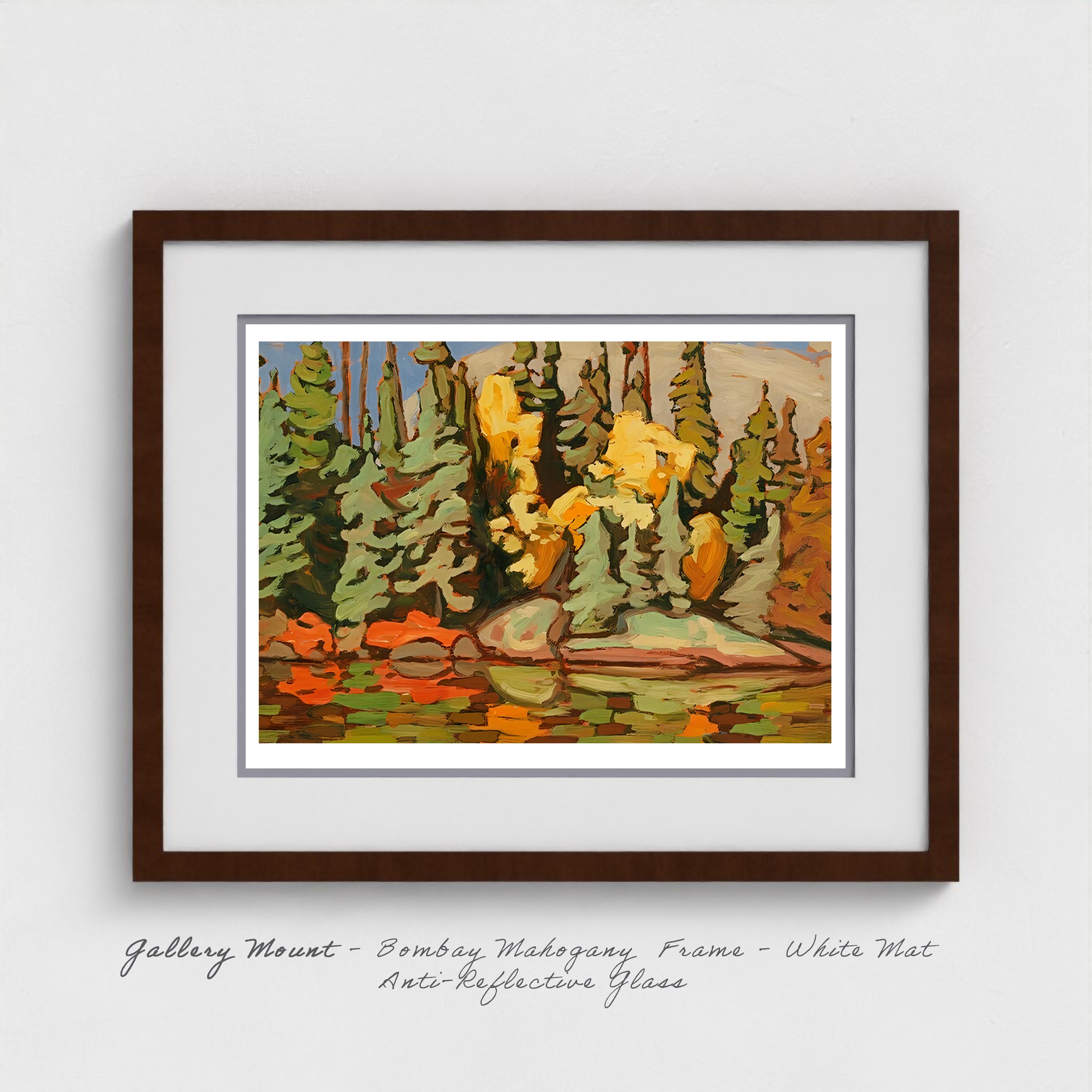
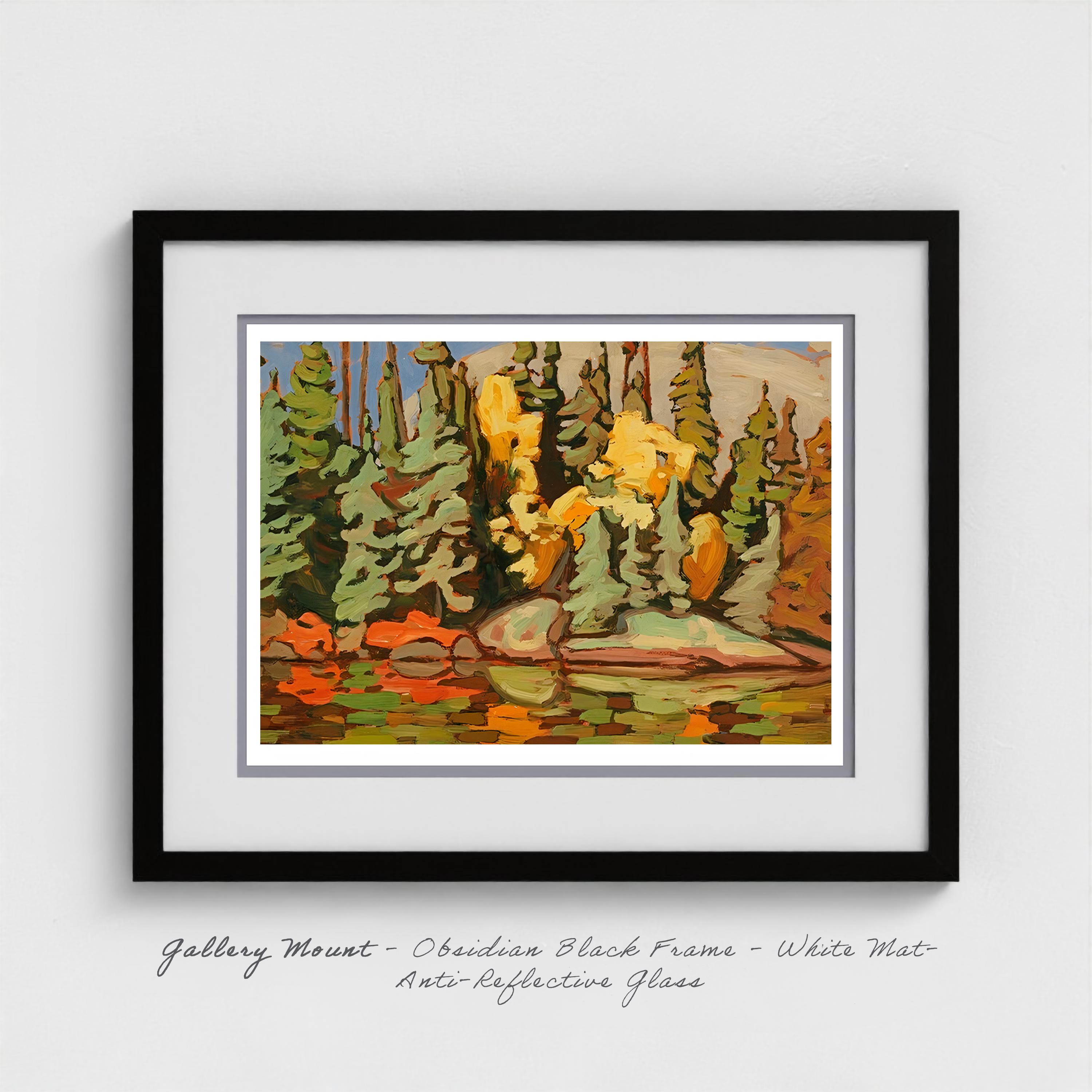
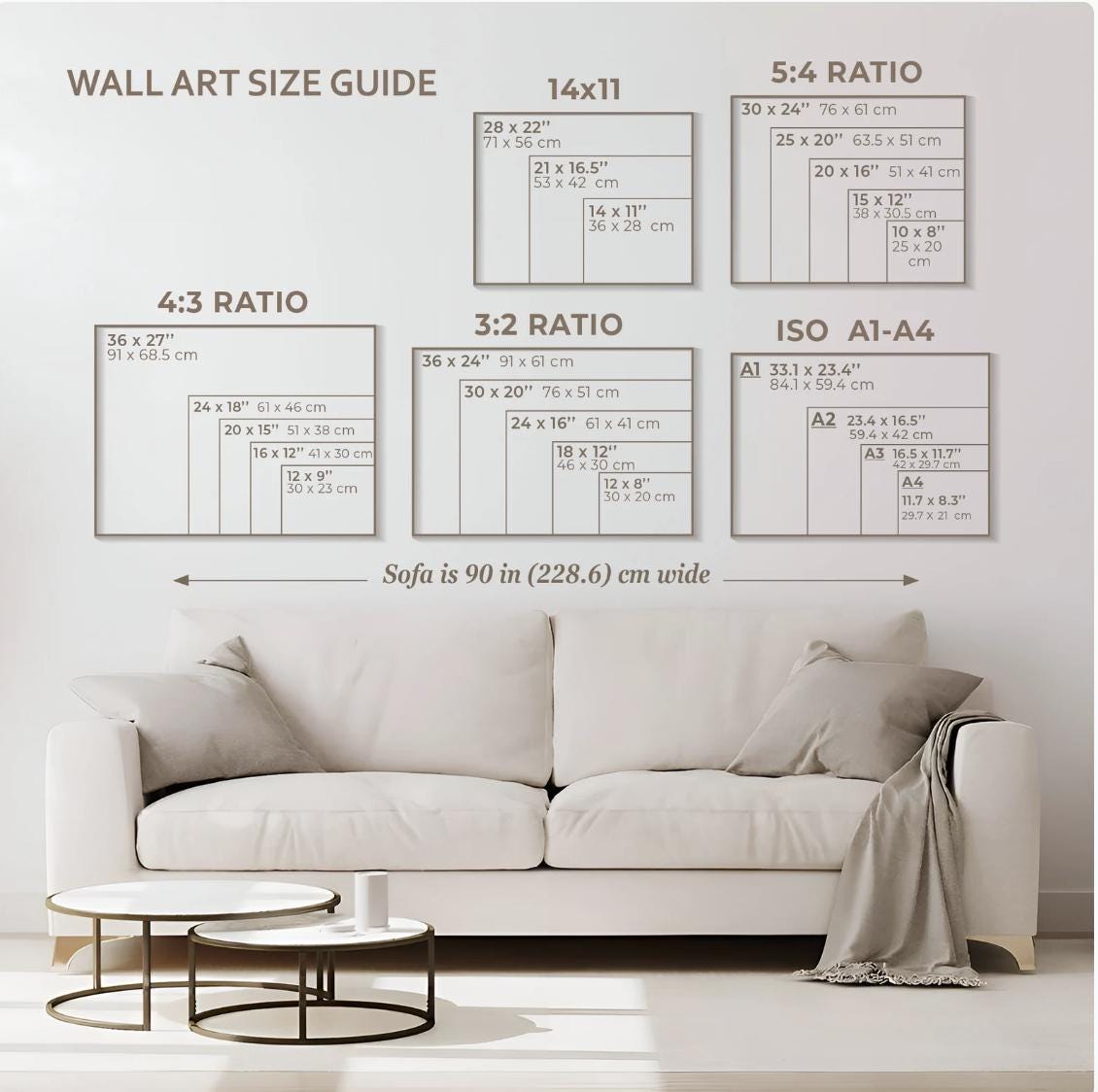
**Gallery Mount** (Image: 12"x16" | Frame Exterior: 19"x23")
- Giclee Fine Art Print on archival paper
- Protected by 16"x20" glass with acrylic glaze
- 2" heavy Snow White Mount with .5" fine white/grey margins
- Choice of Burnished Gold, Bombay Mahogany, or Obsidian Black hardwood frame
- Ready to hang
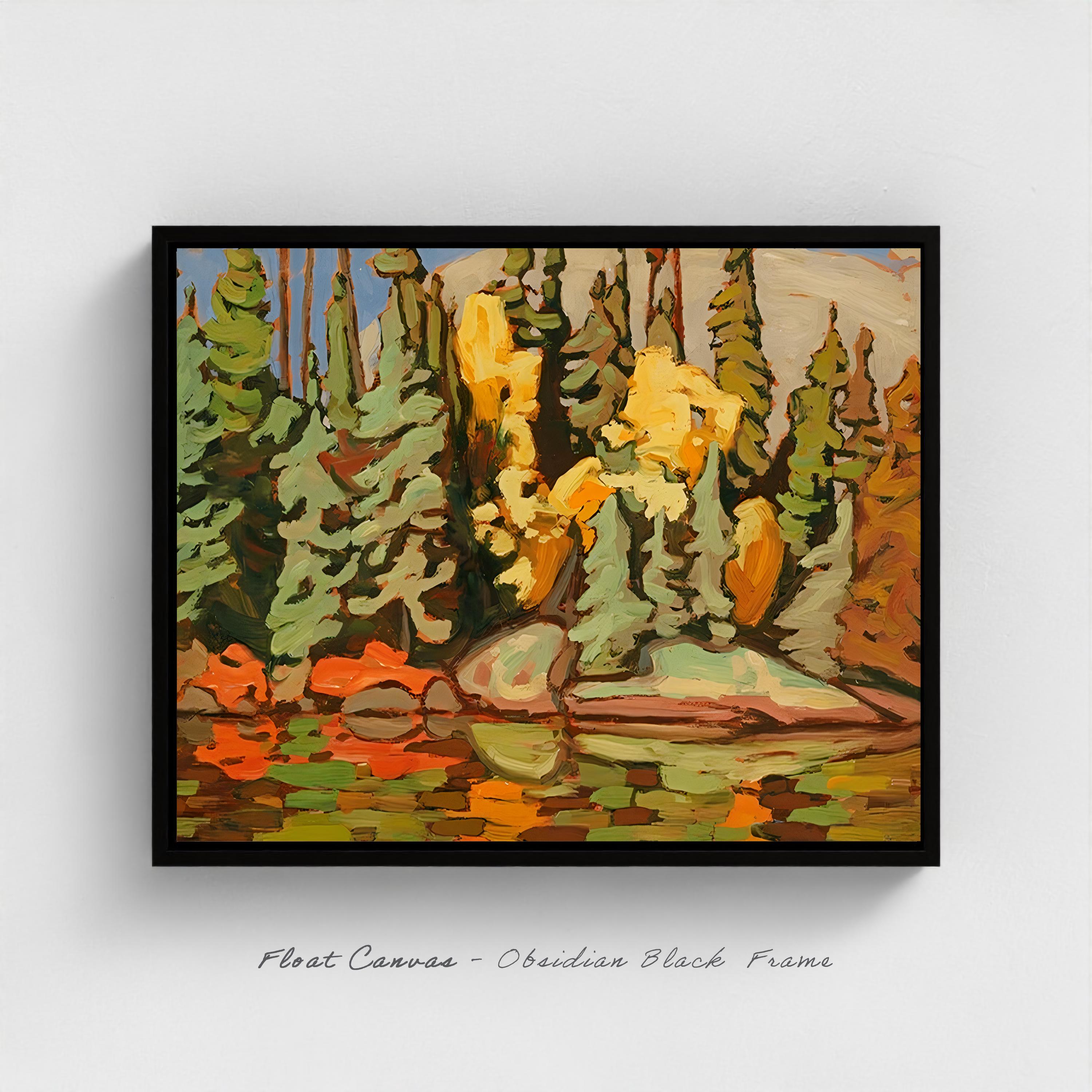
**Float Frame Canvas** (Canvas: 16"x20" | Frame Exterior: 19"x23")
- Giclee pigment canvas stretched over hardwood
- Set within Obsidian Black float frame
- Creates stunning dimensional depth
- Ready to hang
**Studio Canvas** (16"x20")
- Stretched over premium hardwood bars
- Perfect minimalist presentation
- Ready to hang or custom frame
- Gallery-wrapped edges
**Loft Poster** (Image: 12"x16" | Paper: 16"x20")
- Fine Art Paper with 2" pure white margin
- Perfect for custom framing
- Affordable museum-quality option
- Ready to display
Bring home the painting from that rainy September day in 1921 — where Lawren Harris's last Algoma sketch captured wilderness transition and artistic evolution on the eve of his Lake Superior revelation.
Shipping from United Kingdom
Processing time
1-3 weeks
Customs and import taxes
Buyers are responsible for any customs and import taxes that may apply. I'm not responsible for delays due to customs.
Payment Options
Returns & Exchanges
I don't accept returns, exchanges, or cancellations
But please contact me if you have any problems with your order.
Privacy policy
Ichor Prints Art Collective Privacy Policy
1. Personal Information We Collect
To fulfill your order, you must provide us with certain information (authorized by Etsy to provide to us), such as your name, email address, postal address, payment information, and the details of the product you’re ordering. You may also choose to provide us with additional personal information for custom orders or inquiries.
2. Why We Need Your Information and How We Use It
We rely on several legal bases to collect, use, and share your information, including:
to provide our services, fulfill your order, settle disputes, or provide customer support;
when you have provided your affirmative consent, which you may revoke at any time;
if necessary to comply with a legal obligation or court order or in connection with a legal claim, such as retaining information about your purchases if required by tax law; and
as necessary for our legitimate interests, if those legitimate interests are not overridden by your rights or interests.
3. Information Sharing and Disclosure
Information about our customers is important to our business. We share your personal information for very limited reasons and in limited circumstances, as follows:
Etsy: We share information with Etsy as necessary to provide you with our services and comply with obligations under both the Etsy Seller Policy and Etsy Terms of Use.
Service Providers: We engage certain trusted third parties to perform functions and provide services to our shop, such as delivery companies. We will share your personal information with these third parties, but only to the extent necessary to perform these services.
Compliance with Laws: We may collect, use, retain, and share your information if we have a good faith belief that it is reasonably necessary to respond to legal process or to government requests; enforce our agreements, terms, and policies; prevent, investigate, and address fraud and other illegal activity, security, or technical issues; or protect the rights, property, and safety of our customers, or others.
4. Data Retention
We retain your personal information only for as long as necessary to provide you with our services and as described in our Privacy Policy. However, we may also be required to retain this information to comply with legal and regulatory obligations, to resolve disputes, and to enforce our agreements. We generally keep your data for the following time period: 4 years.
5. Your Rights
You have a number of rights in relation to your personal information. You can access, correct, or delete your personal information held by Etsy, request that we delete or change that information, object to our processing of your information, or request that we provide your information in a portable format.
6. Contact Information
For purposes of EU data protection law, we, Ichor Prints Art Collective, are the data controller of your personal information. If you have any questions or concerns, you may contact us at ETSY message board
Frequently Asked Questions
Are there any paper recommendations?
heavyweight paper or card stock is a perfect budget friendly choice. They range from glossy to a matte finish. Premium archival fine art paper with a slight watercolor or linen texture will result in the most authentic vintage art reproductions.
How do I go about framing my print?
The frames used in our shop listings are product photos, and are not physical frames that are sold. They make a frame matched perfectly to your media and matte, so usually you will need to bring in the physical picture and matte (if you use one) so they can cut a frame for it.
Here are a few sites with a huge variety of frames to choose from:
𝐔.𝐒.
frameiteasy.com
finerworks.com
framebridge.com
𝐂𝐚𝐧𝐚𝐝𝐚:
artalo.ca
framehaus.ca
How do I go about printing the file I downloaded?
While you can print at local copy centres like Staples, Walgreens, Walmart etc., print quality varies. If using a home printer, colour outcome/quality will vary.
If you want top quality results, online printers are your best choice
𝐒𝐞𝐧𝐝 𝐨𝐧𝐥𝐲 𝐟𝐢𝐥𝐞𝐬, 𝐭𝐨 𝐩𝐫𝐢𝐧𝐭 𝐬𝐞𝐫𝐯𝐢𝐜𝐞𝐬 - 𝐧𝐨𝐭 𝐥𝐢𝐧𝐤𝐬.
Recommended online print services:
U.S. printing service:
finerworks.com
mpix.com
posterjack.com
Canada printing service:
posterjack.ca
pictorem.com
henrysphotocentre.com
U.K. printing service:
theprintspace.co.uk
European printing service:
beyondprint.eu
Finally...if you want a Matte around your print to highlight it within a frame, often the frame shops will have thick Matte that they hand cut
I downloaded the file, can I use it for commercial purposes?
◆ a file from Ichor Prints Vintage Art Collective is to be used solely for your own personal use
◆ You are not permitted to use files to edit or make changes to then, in turn, use for commercial use or resale in any form
◆ Each design is either fully original or has been carefully digitally remastered and altered from its original version making each new derivative work unique to Ichor Prints Vintage Art Collective. As such, all works are copyrighted.
© Ichor Prints Vintage Art Collective
Where will I find my digital download?
To access your digital files from your account:
Sign in to Etsy.com on a web browser (not the Etsy app) and go to "Your account".
Go to "Purchases and reviews".
ETSY DOWNLOAD HELP LINK. https://www.etsy.com/ca/help/article/3949
Next to the order, select Download Files.
➡ If you don't see a download button, click the tiny grey arrow to the right of the order.
This brings you to the Downloads page.
If your payment is still processing, the Download Files button will be grey.
Can I get a Custom Size?
𝐈 𝐩𝐫𝐨𝐯𝐢𝐝𝐞 𝐨𝐧𝐥𝐲 𝐎𝐍𝐄 (𝟏) 𝐫𝐞𝐬𝐢𝐳𝐞 𝐩𝐞𝐫 𝐥𝐢𝐬𝐭𝐢𝐧𝐠. (ex. If purchasing gallery set, I provide only ONE resize for ONE design). Keep in mind: A narrow image cannot be expanded into a wider image. A wide image cannot be made into a narrow image without cropping some of the original image. Original art is designed to be pleasing to the eye, both in width and height. Current turn around time for resize requests is 2-3 business days. Please reach out to me prior to purchase to verify resize can be done. 𝐄𝐱𝐜𝐥𝐮𝐝𝐞𝐬 𝐓𝐕 𝐚𝐫𝐭 𝐄𝐱𝐜𝐥𝐮𝐝𝐞𝐬 𝐜𝐫𝐞𝐚𝐭𝐢𝐧𝐠 / 𝐚𝐧𝐝 𝐨𝐫 / 𝐫𝐞𝐬𝐢𝐳𝐢𝐧𝐠 𝐬𝐩𝐥𝐢𝐭 𝐩𝐚𝐧𝐞𝐥 𝐬𝐞𝐭𝐬 𝐄𝐱𝐜𝐥𝐮𝐝𝐞𝐬 𝐚𝐫𝐭𝐰𝐨𝐫𝐤 𝐢𝐧 𝐬𝐪𝐮𝐚𝐫𝐞 𝐝𝐢𝐦𝐞𝐧𝐬𝐢𝐨𝐧𝐬
𝐖𝐡𝐞𝐫𝐞 𝐜𝐚𝐧 𝐈 𝐟𝐢𝐧𝐝 𝐦𝐲 𝐝𝐢𝐠𝐢𝐭𝐚𝐥 𝐩𝐮𝐫𝐜𝐡𝐚𝐬𝐞𝐬 𝐢𝐧 𝐦𝐲 𝐚𝐜𝐜𝐨𝐮𝐧𝐭?
To access your digital files from your Etsy account: Sign in to Etsy.com on a web browser (not the Etsy app) and go to "Your account". Go to "Purchases and reviews". Next to the order, select Download Files. ➡ If you don't see a download button, click the tiny grey arrow to the right of the order. This brings you to the Downloads page. If payment is still processing, the Download Files button will be grey. Please save the files to your device immediately after purchase. When a design is discontinued, it will be deleted from my cloud storage within 6 months to make room for new designs.